Introduction to Vastu Shastra
Vastu Shastra, an ancient Indian science of architecture and design, revolves around the concept of harmonious living by balancing the natural environment with human-made structures. This traditional system, originating thousands of years ago, advocates for a specific arrangement of spaces, ensuring that energy flows positively throughout a home. Vastu is not merely about aesthetics; it intricately connects architecture with the universal laws of nature, aiming to create an environment conducive to health, happiness, and prosperity.
Historically, Vastu Shastra has foundations in the Vedas, particularly the Atharva Veda, which offers insights into the construction of homes in alignment with cosmic principles. These age-old texts illustrate how design elements relate to various energies, emphasizing sunlight, wind, water, and earth’s properties. Central to this science is the belief that the way a space is designed and organized directly impacts the inhabitants’ physical and emotional well-being. Thus, Vastu Shastra serves as an essential guideline to ensure that spaces allow for the smooth flow of positive energy, which is pivotal for promoting good health.
In the context of contemporary living, incorporating Vastu principles in home design has gained increasing relevance. As society evolves, the challenges of urbanization, pollution, and stress can negatively impact our health. By integrating Vastu Shastra, individuals can cultivate a living space that alleviates these stressors. Even minor adjustments, such as correcting furniture placement or ensuring proper ventilation, can lead to significant improvements in well-being. Recognizing the power of our living environment is crucial, making Vastu an essential consideration for anyone seeking to enhance their overall quality of life.
Understanding Energy and Its Impact on Health
In Vastu Shastra, the ancient Indian system of architecture and design, energy is perceived as a vital element that influences the well-being of inhabitants within a space. It is essential to understand that energy is not merely a concept but a tangible force that can manifest as positive or negative vibrations in our living environment. Positive energies are often aligned with harmony, health, and overall prosperity, while negative energies can lead to adverse outcomes, including chronic stress, anxiety, and various physical ailments.
The foundational belief in Vastu is that every structure, be it a home, office, or any other space, holds distinct energy vibrations that can significantly affect the mental and physical health of its occupants. For example, a room filled with clutter tends to harbor stagnant energy, which can lead to feelings of anxiety and overwhelm. Conversely, a space that is well-organized and thoughtfully designed promotes a sense of calm and clarity, supporting psychological well-being. The strategic placement of furniture and decor, as guided by Vastu principles, ensures that energy circulates freely and positively within the space.
Practical instances abound where energy dynamics manifest in the home environment. A house positioned with its entrance facing east is said to invite bright and rejuvenating energy, fostering a positive atmosphere that supports health. Alternatively, living in a home where windows are blocked or where there is excessive dark clutter can trap negative energy, which may precipitate health issues such as fatigue, headaches, and emotional distress. Understanding these energy interactions provides valuable insight into creating a healthier living space, highlighting the significance of Vastu in our daily lives.
Key Vastu Principles for a Healthy Home
Vastu Shastra, an ancient Indian architectural system, emphasizes the importance of aligning one’s living space with natural energies to promote health and well-being. Understanding and applying key Vastu principles can significantly enhance the energy of a home, fostering a healthier environment for its inhabitants.
One fundamental aspect of Vastu is the orientation of the house. Ideally, homes should face the direction that maximizes positive energy. East-facing homes benefit from the morning sun, which is believed to energize and invigorate the atmosphere. Furthermore, the placement of the main entrance should be strategic; it is recommended to position it in the north or east to allow for a harmonious flow of energy throughout the space.
The layout of key rooms is another crucial Vastu principle. The bedroom, particularly, should ideally be located in the southwest corner of the home, promoting restful sleep and stability. In contrast, kitchens are best positioned in the southeast direction, as it is associated with fire energy, essential for cooking and nourishment. The living room, intended for social interaction and relaxation, should occupy the north or east, enhancing the vibrancy of life within the household.
Natural light and air are vital components of a Vastu-compliant home. Maximizing daylight through well-placed windows and openings can uplift the mood and improve overall health. Additionally, allowing fresh air to circulate freely throughout the home is essential for maintaining a clean and invigorating environment. This can be achieved by incorporating ventilation techniques and ensuring that spaces are not overly cluttered.
Explore Our Powerful Magic Spells
Choose a spell that suits your needs and experience real results today!
By integrating these key Vastu principles into your living space, you can create an environment that not only supports physical health but also nurtures mental well-being, ultimately leading to a healthier lifestyle.
Room-Specific Vastu Tips for Health
Vastu Shastra, the ancient Indian architectural science, emphasizes the importance of harmonizing one’s living environment with natural energies. Each room in a home serves a distinct purpose and can significantly influence the occupants’ health and well-being. Here are some essential Vastu recommendations tailored to various rooms to promote a healthier lifestyle.
Bedroom: The bedroom should ideally be situated in the southwest corner of the house, as this direction promotes stability. It is vital to position the bed so that the headboard is against a solid wall, which provides support and enhances emotional well-being. Avoid sharp angles and clutter, as they can lead to disturbed sleep. Instead, incorporate soothing colors such as light blue or green, which can foster tranquility and relaxation.
Kitchen: The kitchen should be located in the southeast quadrant, symbolizing the fire element, which aids in digestion and vitality. Arrange the cooking stove in a way that allows the cook to face east while preparing meals. This orientation not only promotes health but also enhances positive energy. Ensure proper ventilation and maintain cleanliness to prevent the accumulation of negative energies, which could hinder nourishment.
Bathroom: Bathrooms are often associated with the drainage of energies and should ideally be situated in the northwest direction. To maintain positive energy flow, keep bathrooms clean and well-ventilated. Incorporate lighter colors and avoid dark, heavy materials. It is also advisable to place mirrors strategically to reflect light and energy, ensuring an inviting atmosphere.
Living Room: The living room serves as a social space and should ideally be located in the northeast or northwest areas of the home. Furniture arrangements should encourage easy movement and a sense of openness. Use warm colors and abundant lighting, which can uplift spirits and enhance emotional well-being. Arranging seating to face each other promotes healthy communication and bonding.
These room-specific Vastu tips can help cultivate an environment that positively impacts health, harmony, and happiness within the home. By thoughtfully considering each room’s layout and energies, residents can foster a more prosperous and health-oriented living space.
Healing Spaces: Using Colors and Materials Wisely
The concept of healing spaces in Vastu emphasizes the importance of colors and materials in fostering an environment conducive to good health. Utilizing specific colors can significantly influence an individual’s mood and overall well-being. For instance, soothing colors such as soft blues and greens are believed to promote tranquility and relaxation, which can be particularly beneficial in bedrooms or meditation areas. Conversely, vibrant colors like yellow and orange can invigorate a space, stimulating creativity and positive energy, making them suitable for common areas like living rooms.
Moreover, the materials utilized in one’s living space play an equally significant role in promoting health. Natural materials, such as wood, stone, and clay, not only contribute to an aesthetically pleasing environment but also resonate with Vastu principles. These elements foster a sense of connection to nature, which can enhance mental well-being. For example, wooden furnishings impart warmth and stability, while stone or clay accents can aid in grounding the energy of a space. It is advisable to avoid synthetic materials that may harbor negative energy or unnatural vibrations that can disrupt the flow of positive chi.
Additionally, textures contribute another layer of healing within a home. Soft, tactile surfaces can evoke comfort and relaxation, while rough textures may introduce an energetic quality that encourages movement and activity. Blending various textures while ensuring harmony can create a balanced atmosphere vital for health. In Vastu, the careful selection of colors and materials establishes an energetic flow that nurtures emotional, mental, and physical well-being. Ultimately, when one harmonizes these elements with Vastu guidelines, healing spaces are created—promoting a holistic living experience that supports robust health and wellness.

The Role of Nature in Vastu for Health
Vastu Shastra emphasizes the significance of natural elements in achieving a harmonious living environment that promotes good health. The integration of nature into home design is not merely an aesthetic choice; it plays a crucial role in energy flow, impacting both mental and physical well-being. By incorporating plants, water bodies, and natural light, individuals can enhance their living spaces and create an atmosphere conducive to healing and rejuvenation.
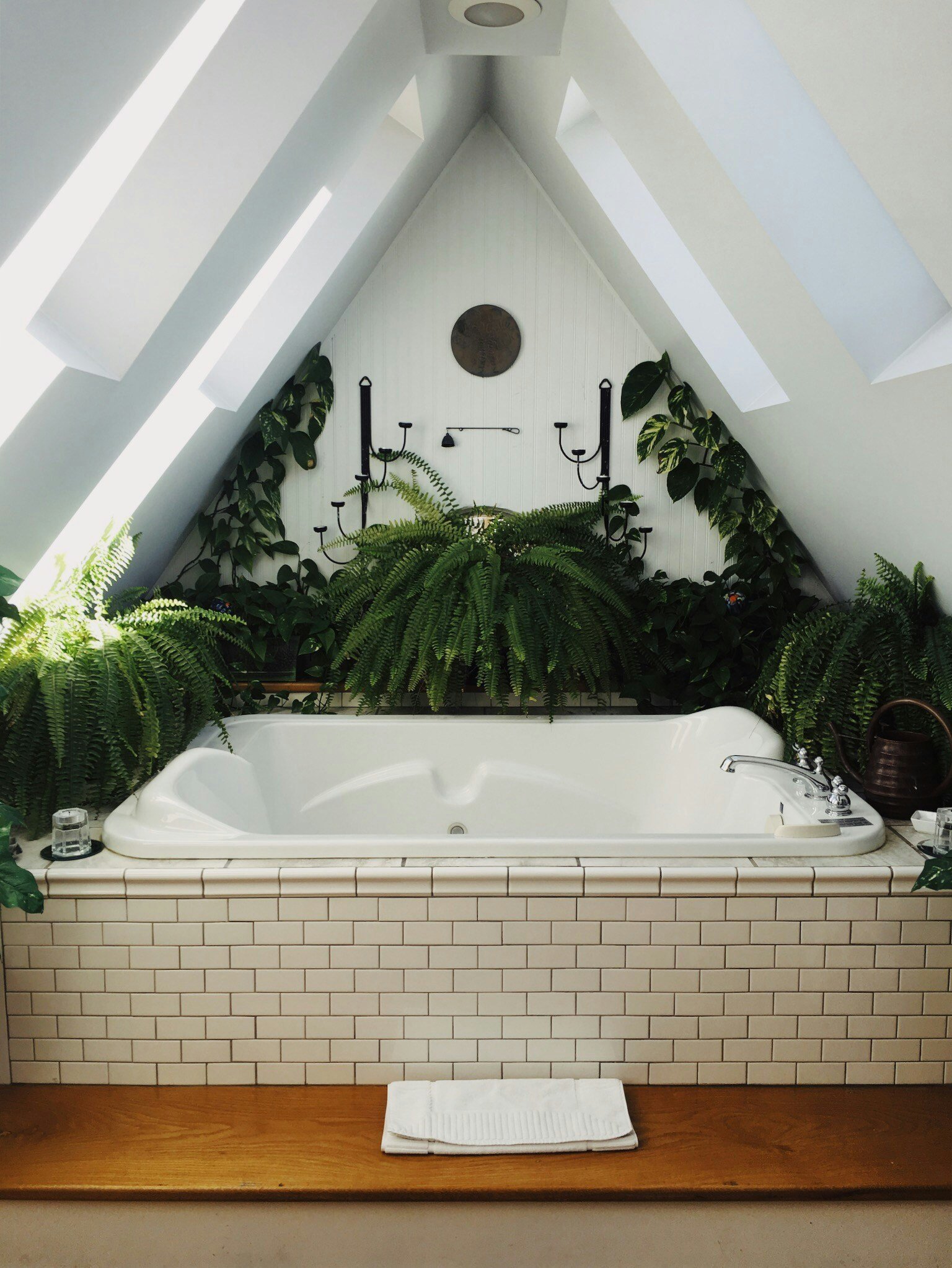
Plants are one of the most accessible ways to introduce nature into a home. They not only purify the air but also contribute to a sense of calmness and serenity. According to Vastu principles, certain plants are believed to attract positive energy, while others can repel negativity. For instance, the presence of indoor plants like the snake plant or peace lily can significantly improve indoor air quality, resulting in better respiratory health. Strategically placing plants in specific directions—such as east or north—can further optimize their benefits, ensuring a balanced energy flow throughout the household.
Water bodies, another critical aspect of Vastu, are recognized for their dynamic energy. The sound of flowing water is thought to soothe the mind and spirit, making water features like fountains or small ponds valuable additions to one’s surroundings. Not only do they enhance the aesthetic appeal, but they also promote tranquility and a positive atmosphere. Having a small water body in the right location can help in alleviating stress and bringing about psychological relief.
Natural light, crucial for sustaining health, is another essential element in Vastu design. Sunlight is known to enhance mood and boost the immune system, while also promoting vitamin D synthesis. Designing spaces to maximize exposure to daylight can significantly alter an inhabitant’s overall well-being. Large windows or skylights allow sunlight to penetrate indoor areas, which can improve mental alertness and reduce feelings of fatigue.
Incorporating these natural elements—plants, water bodies, and natural light—into home design is paramount for achieving a balanced and healthy living environment. Each element contributes uniquely to the flow of positive energy, consolidating the principles of Vastu Shastra in promoting optimal health.
Practical Steps to Implement Vastu Changes
Incorporating Vastu Shastra into your home can significantly enhance the energy flow, promoting not just physical health but also emotional well-being. To effectively implement Vastu principles, a systematic approach can be beneficial. Start with a thorough assessment of your current living space. Begin by noting the layout, orientation, and main elements present in each room. This initial evaluation will provide insight into areas that may require modification to align with Vastu guidelines.
Once you have assessed your space, prioritize areas that contribute most to day-to-day activities. For instance, ensure that the kitchen, often considered the heart of the home, is located in the southeast corner. Similarly, bedrooms should ideally be in the southwest section to promote restful sleep. Evaluate the wall colors and decor elements; opt for soothing, light hues that create a harmonious atmosphere.
Making necessary adjustments doesn’t always require drastic changes. Simple modifications such as rearranging furniture to eliminate obstructions can enhance the energy flow throughout the home. Using natural materials, such as wood and stone, can also align your environment with Vastu principles. Additionally, consider incorporating plants, as greenery not only adds vibrancy but also contributes positively to the energy dynamic.
For further improvement, ensure that spaces are well-lit and ventilated, as natural light and fresh air are crucial for maintaining good energy. De-cluttering is another essential aspect of Vastu. A tidy, organized environment promotes clarity and facilitates the smooth flow of positive energy. Ultimately, by committing to these practical Vastu changes, you can effectively foster a healthier living space that nurtures both physical and mental well-being.
Case Studies: Real-Life Transformations
Vastu Shastra, the ancient Indian science of architecture, plays a pivotal role in promoting well-being through the structuring of living spaces. Numerous individuals report remarkable changes in their health and quality of life after incorporating Vastu principles into their homes. This section highlights several inspiring case studies, demonstrating the profound impact of Vastu adjustments on physical and mental health.
One notable case is that of the Sharma family, who experienced chronic anxiety and frequent illnesses. After consulting a Vastu expert, they made specific changes to their home. The main entrance, initially cluttered and dimly lit, was brightened and opened, allowing for more positive energy flow. They also relocated their bedroom to the southwest corner, a position recommended for stability and tranquility. As a result, the family reported significantly reduced stress levels and an improvement in overall health. Within a few months, the frequency of illnesses decreased, and a newfound sense of harmony and balance emerged in their lives.
Similarly, the Gupta family sought relief from recurring health issues that plagued both their children and themselves. They implemented crucial Vastu modifications such as ensuring that kitchen appliances were placed in the southeast corner, conducive to health and prosperity. Furthermore, they relegated all electronic gadgets away from the bedrooms, creating a peaceful environment for rest. These simple but effective Vastu changes facilitated improved sleep patterns and enhanced the children’s focus on their studies. The Gupta family subsequently noticed not only physical improvements but also boosted emotional well-being, resulting in a happier and more productive household.
These examples underscore the potential of Vastu to transform living spaces into sanctuaries of health and positive energy, illustrating that thoughtful structural adjustments can foster significant improvements in physical and mental wellness. As more families adopt Vastu principles, they continue to witness the remarkable benefits of aligning their homes with natural forces.
Conclusion: Embracing Vastu for a Healthier Future
In today’s fast-paced world, health often takes a backseat to the myriad demands of daily life. However, incorporating Vastu principles into our homes presents an opportunity to prioritize our well-being while enhancing the energy flow within our living spaces. Vastu Shastra offers a holistic approach that fosters physical, mental, and spiritual health by harmonizing the environment with the natural elements. By applying these ancient guidelines, individuals can create an atmosphere that not only supports good health but also nurtures happiness and prosperity.
Key takeaways from our exploration of Vastu for health include the importance of spatial organization and the strategic placement of elements in the home. For instance, ensuring that bedrooms are positioned to allow restful sleep, or placing the kitchen in alignment with Vastu principles to promote nutritious cooking, significantly influences our overall health. The location of windows and entrances also contributes to the inflow of positive energy, which is essential for maintaining a vibrant living environment.
Furthermore, adopting Vastu guidelines extends beyond physical adjustments; it encourages a shift in mindset towards a more health-conscious lifestyle. By promoting mindfulness and intentionality in how we design our spaces, we can foster emotional well-being and reduce stress. This alignment with natural energies creates a sanctuary that supports daily activities and nurtures relationships.
As we look towards a healthier future, let us embrace the wisdom of Vastu Shastra as a valuable tool for enhancing our homes and our lives. By integrating these principles into our homes, we not only enhance our personal wellness but also contribute to a broader movement toward sustainable living and holistic health. Thus, Vastu serves as a guide, inviting us to live not just in a house, but in a nurturing home that supports our health and overall quality of life.