

Private label manufacturing has become a powerful business model for fashion brands, retailers, and e-commerce entrepreneurs worldwide. Instead of building in-house production facilities, brands collaborate with experienced manufacturers who handle development, production, and quality control under the brand’s label.
However, global buyers are highly selective. They look beyond price and focus on reliability, consistency, compliance, and long-term partnership potential. Whether sourcing from garments manufacturers in Pakistan or collaborating with a specialized streetwear manufacturer, international buyers evaluate multiple factors before finalizing a production partner.
This article explores the key elements global buyers prioritize when choosing private label manufacturers.
1. Consistent Product Quality
Quality remains the top priority for international buyers. A private label manufacturer must deliver consistent results across every production batch.
Fabric Standards
Buyers expect premium materials that meet specific GSM requirements, shrinkage limits, and durability standards. Fabric consistency ensures that repeat orders maintain identical texture, color, and structure.
For example, brands working with sportswear manufacturers in sialkot often require moisture-wicking fabrics, reinforced stitching, and stretch-recovery performance for athletic garments.
Stitching and Finishing
Precise stitching, clean finishing, and accurate sizing reflect a manufacturer’s professionalism. Loose threads, uneven seams, or inconsistent labeling can damage a brand’s reputation in competitive markets.
Global buyers conduct random inspections to ensure that final products match approved samples.
2. Strong Sampling and Product Development Capabilities
Before placing bulk orders, buyers request samples to evaluate quality, fit, and detailing.
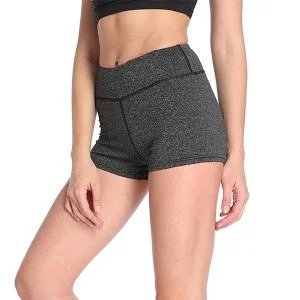
An experienced activewear clothing manufacturer typically offers:
❤️ Powerful Real Love Spells That Work
Attract true love, reunite with your partner, and strengthen relationships with proven magic spells.
- Custom pattern development
- Prototype sampling
- Fabric swatch approvals
- Design adjustments before bulk production
Efficient sampling reduces delays and builds buyer confidence. Manufacturers that can quickly translate concepts into accurate samples are more attractive to global clients.
3. Scalability and Production Capacity
As brands grow, their production needs increase. Global buyers look for private label partners who can scale operations without compromising quality.
Manufacturers must demonstrate:
- Adequate factory space
- Skilled labor availability
- Modern machinery
- Strong supply chain management
Reliable garments manufacturers in pakistan often operate vertically integrated facilities, allowing them to manage spinning, knitting, dyeing, and stitching under one system. This structure improves efficiency and shortens lead times.
Scalability ensures that a brand can meet seasonal demand spikes and large retail orders.
4. Compliance and Certifications
International markets demand strict adherence to ethical, environmental, and safety standards. Buyers prefer manufacturers who comply with global certifications such as:
- Social compliance audits
- Workplace safety standards
- Environmental regulations
- Restricted substance lists (RSL)
For athletic apparel brands sourcing from sportswear manufacturers in Sialkot, compliance is especially important due to export regulations in Europe and North America.
Ethical production practices enhance brand credibility and minimize supply chain risks.
5. Customization and Branding Flexibility
Private label manufacturing revolves around brand identity. Buyers need manufacturers who support full customization options.
A capable streetwear manufacturer typically offers:
- Custom labels and woven tags
- Embroidery and screen printing
- Puff print and heat transfer designs
- Custom packaging solutions
The ability to integrate brand logos, colors, and unique design elements ensures market differentiation.
Customization flexibility is especially important in niche markets like streetwear and performance sports apparel.
6. Competitive Pricing Without Compromising Quality
While quality is essential, pricing remains a decisive factor. Global buyers seek manufacturers that offer competitive rates while maintaining production standards.
Transparent pricing structures help buyers understand cost breakdowns, including:
- Fabric sourcing
- Labor
- Printing or embroidery
- Packaging
- Shipping
Many garments manufacturers in pakistan are recognized for balancing affordability with high-quality production, making them attractive to international brands.
However, buyers prioritize value over the lowest price. A slightly higher cost is acceptable if it ensures long-term reliability.
7. Clear Communication and Professionalism
Effective communication builds trust. Global buyers prefer manufacturers who respond promptly, provide regular production updates, and maintain transparency.
Key communication factors include:
- Dedicated account managers
- Clear production timelines
- Sample approval processes
- Quick problem resolution
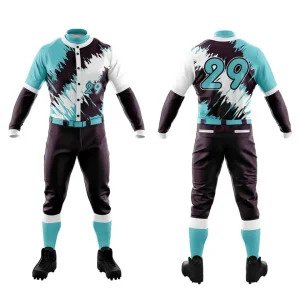
For example, brands collaborating with soccer uniform manufacturers often require precise customization details such as team names, player numbers, and sponsor logos. Clear coordination ensures error-free delivery.
Professional communication reduces misunderstandings and production delays.
8. Lead Time Efficiency
In today’s fast-paced fashion industry, speed-to-market is crucial. Buyers look for manufacturers who can maintain realistic and consistent lead times.

Efficient activewear clothing manufacturer facilities typically streamline:
- Raw material sourcing
- Fabric processing
- Cutting and stitching
- Quality inspection
- Packaging and dispatch
Predictable lead times allow brands to plan seasonal launches and promotional campaigns confidently.
9. Experience in Specific Apparel Categories
Buyers often seek manufacturers specializing in particular niches.
For example:
- Sportswear manufacturers in sialkot are known for performance apparel and athletic gear.
- Soccer uniform manufacturers focus on team kits with durable prints and breathable fabrics.
- A professional streetwear manufacturer may excel in oversized silhouettes, premium fleece, and unique design techniques.
Category expertise ensures technical precision and better product outcomes.
10. Quality Control Systems
Global buyers value structured quality control systems that minimize defects and maintain consistency.
Professional private label manufacturers implement:
- In-line production inspections
- Pre-shipment checks
- Fabric testing procedures
- Measurement verification
Reliable quality control processes protect brands from costly returns and damaged reputation.
Many leading garments manufacturers in pakistan operate multi-stage inspection systems aligned with international buyer standards.
11. Innovation and Adaptability
Fashion trends evolve rapidly. Buyers prefer manufacturers who stay updated with:
- Fabric innovations
- Sustainable materials
- Advanced printing technologies
- Smart textile integration
An innovative activewear clothing manufacturer may introduce moisture-control enhancements, anti-odor treatments, or eco-friendly blends.
Adaptability ensures long-term partnership success as markets shift.
12. Strong Logistics and Export Knowledge
Export experience is essential when serving international markets. Buyers seek manufacturers familiar with:
- Customs documentation
- Freight coordination
- International shipping standards
- Packaging compliance
Experienced sportswear manufacturers in sialkot and other export-focused regions often possess strong logistics networks, ensuring timely global deliveries.
Smooth shipping processes reduce supply chain disruptions.
13. Long-Term Partnership Mindset
Global buyers prefer manufacturers who view relationships as long-term partnerships rather than one-time transactions.
A reliable streetwear manufacturer or apparel supplier invests in understanding brand goals, seasonal strategies, and growth plans.
Long-term collaboration fosters:
- Better pricing agreements
- Priority production scheduling
- Consistent product improvements
- Shared innovation initiatives
Manufacturers who prioritize partnership over short-term profit often become trusted production allies.

